
Mulethi (Licorice) for Skin: Uses in Ayurveda
Also known as Mulethi, Yashtimadhu, Madhuka, Jethimadh, Liquorice root · Glycyrrhiza glabra
Mulethi, the sweet root Ayurveda calls yashtimadhu, has a long place in Indian face packs and oils. Learn what it is, how it is used and how to use it safely.
Licorice root, known in Hindi as mulethi and in Sanskrit as yashtimadhu, meaning sweet stick, is one of the most widely used herbs in Ayurveda. Many of us know it as the woody, sweet-tasting stick sold at the local pansari or simmered into a winter kadha.
In skin care, licorice has a long history in Ayurvedic pastes, oils and ubtans. This guide covers what it is, its traditional place in Ayurveda, how it is commonly used, which of our formulas contain it and what to keep in mind for safe use.
What is licorice (mulethi)?
Licorice is the dried root and underground stem of Glycyrrhiza glabra, a hardy perennial of the pea family. It grows wild and is cultivated in parts of the Mediterranean and western and central Asia, and the dried root has been traded into India for centuries. Its naturally sweet taste comes from glycyrrhizin, a compound found in the root.
Mulethi in Ayurveda
Classical texts describe yashtimadhu as sweet, cooling and soothing in nature, and group it among the varnya herbs, those traditionally associated with complexion. It appears in a wide range of preparations, from herbal oils to kadha, and is one of the herbs used in the classical Kumkumadi oil tradition.
How licorice is commonly used
- Face packs: a little mulethi powder mixed with rose water, curd or milk.
- Ubtans: blended with besan, turmeric and sandalwood.
- Oils: infused into face and hair oils, including traditional Kumkumadi-style oils.
- Kitchen: a small piece simmered in herbal teas and kadha for its sweetness.
Licorice in our formulas
Licorice appears in three of our formulas. Pigmentation Oil, a face oil, combines it with Kumkumadi and turmeric. Our Her Desire and Lift Up herbal capsules include it as mulethi and yashtimadhu respectively, alongside herbs such as shatavari and ashwagandha. Follow the pack directions for each.
Safety notes
- Patch test licorice face packs and oils on your inner forearm for 24 hours before using them on your face.
- Taking licorice by mouth is not suitable for everyone. If you have high blood pressure, heart or kidney concerns, or take regular medication, consult a doctor before using licorice-containing capsules.
- If you are pregnant or breastfeeding, check with a doctor or qualified Ayurvedic practitioner before using licorice in any form.
- Stop use if you notice redness, itching or discomfort.
Questions people ask
Mulethi powder is usually used in a face pack once or twice a week rather than daily. Mix a teaspoon with rose water, curd or milk into a smooth paste, leave it on for ten to fifteen minutes and rinse gently with lukewarm water. Patch test first and stop if your skin feels irritated.
Yes. Mulethi is the Hindi name for licorice root, Glycyrrhiza glabra. In Sanskrit it is called yashtimadhu or madhuka, and in Gujarati and Marathi you may see it as jethimadh. All of these names refer to the same sweet-tasting root used in Ayurveda and in herbal teas.
Traditional face packs pair mulethi powder with gentle, familiar ingredients: rose water or plain water for a simple paste, curd or milk for a creamier feel, or besan and a pinch of turmeric for an ubtan. Keep the recipe short, use fresh ingredients and rinse the pack off before it dries completely.
Licorice is a traditional complexion herb, not a treatment for any skin condition. If you have melasma, patches that are spreading or changing, or pigmentation that worries you, please see a dermatologist. Daily sunscreen and gentle, consistent care are the sensible foundations of any routine for uneven-looking skin.
The Wellness Journal is for general education and inspiration only. It isn’t medical advice — please speak to a doctor or qualified Ayurvedic practitioner about any health concern, and patch test new products before use.
Formulas with licorice
Read each pack’s ingredients and directions before use.
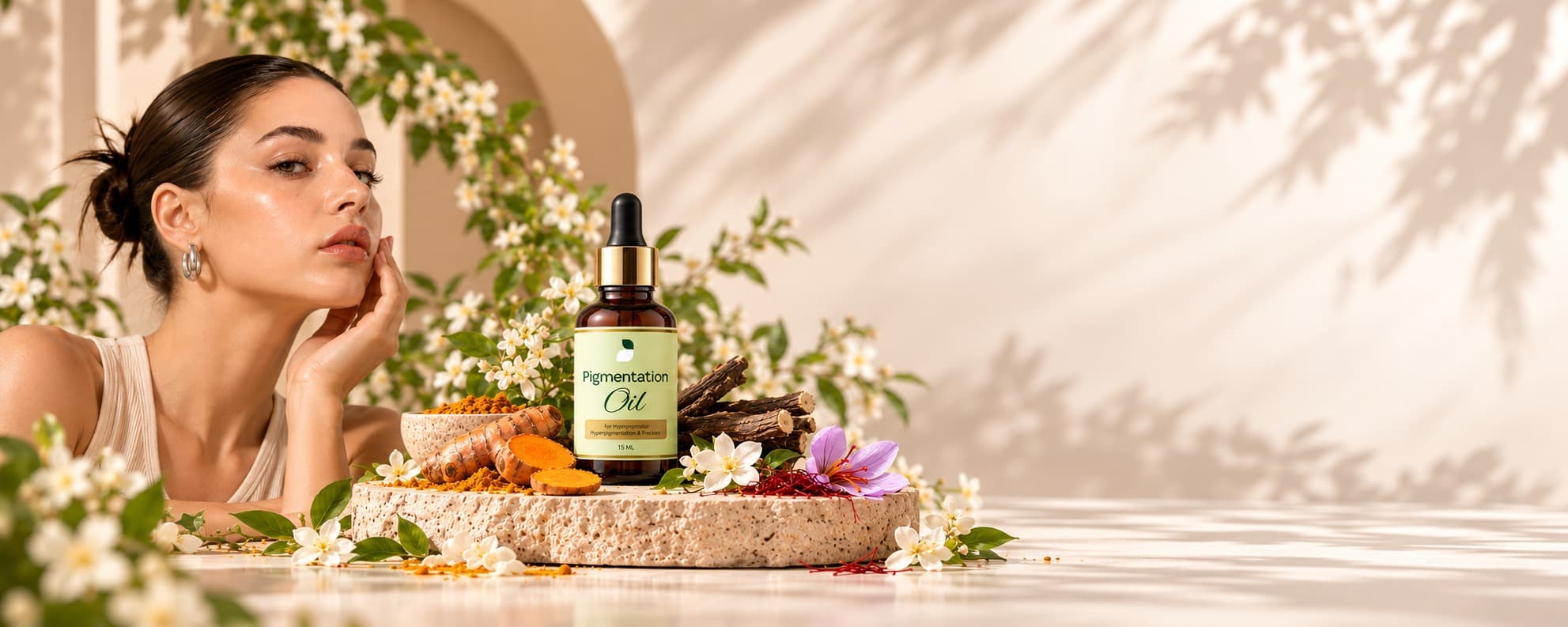
Even skin tone
Pigmentation Oil
A botanical face oil for skin that looks more even and radiant.
View formula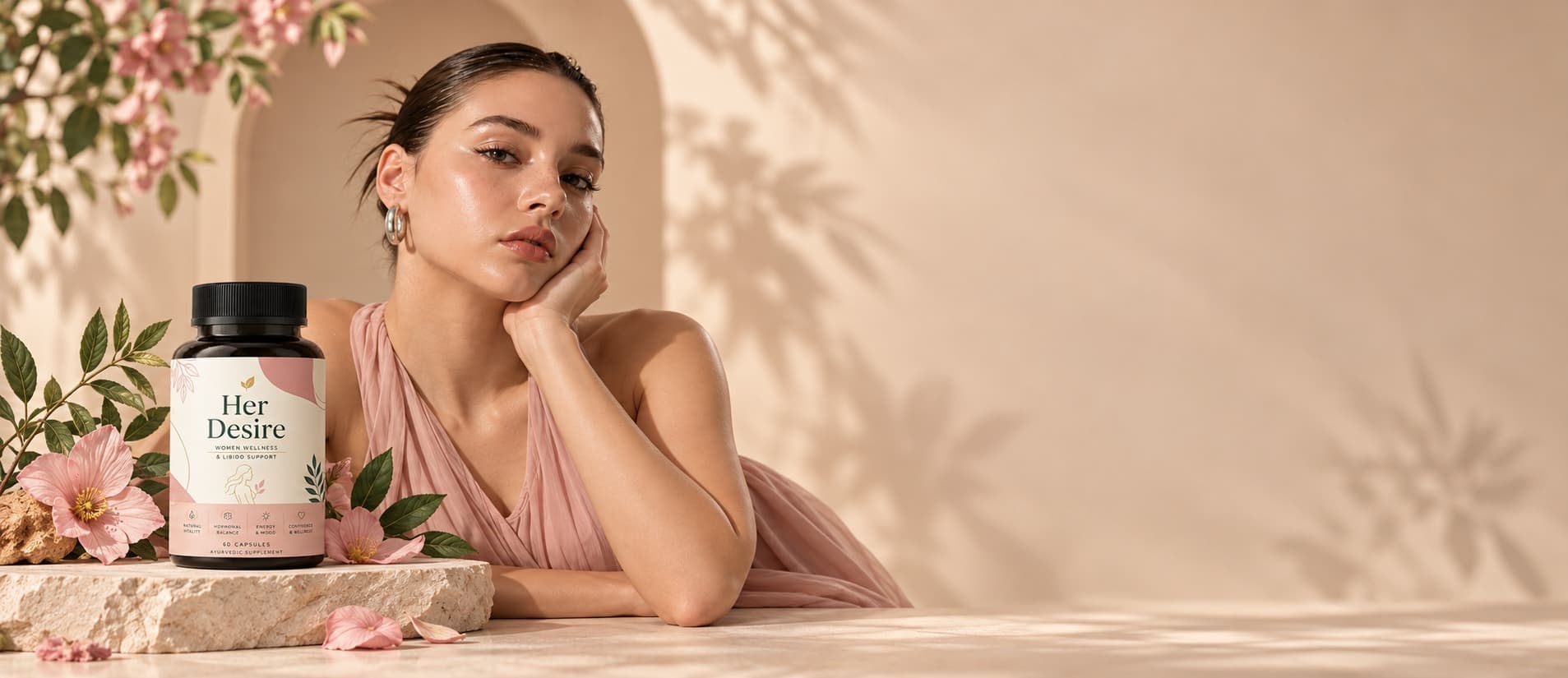
Women's vitality
Her Desire
Ayurvedic wellness capsules for women, with shatavari and saffron.
View formula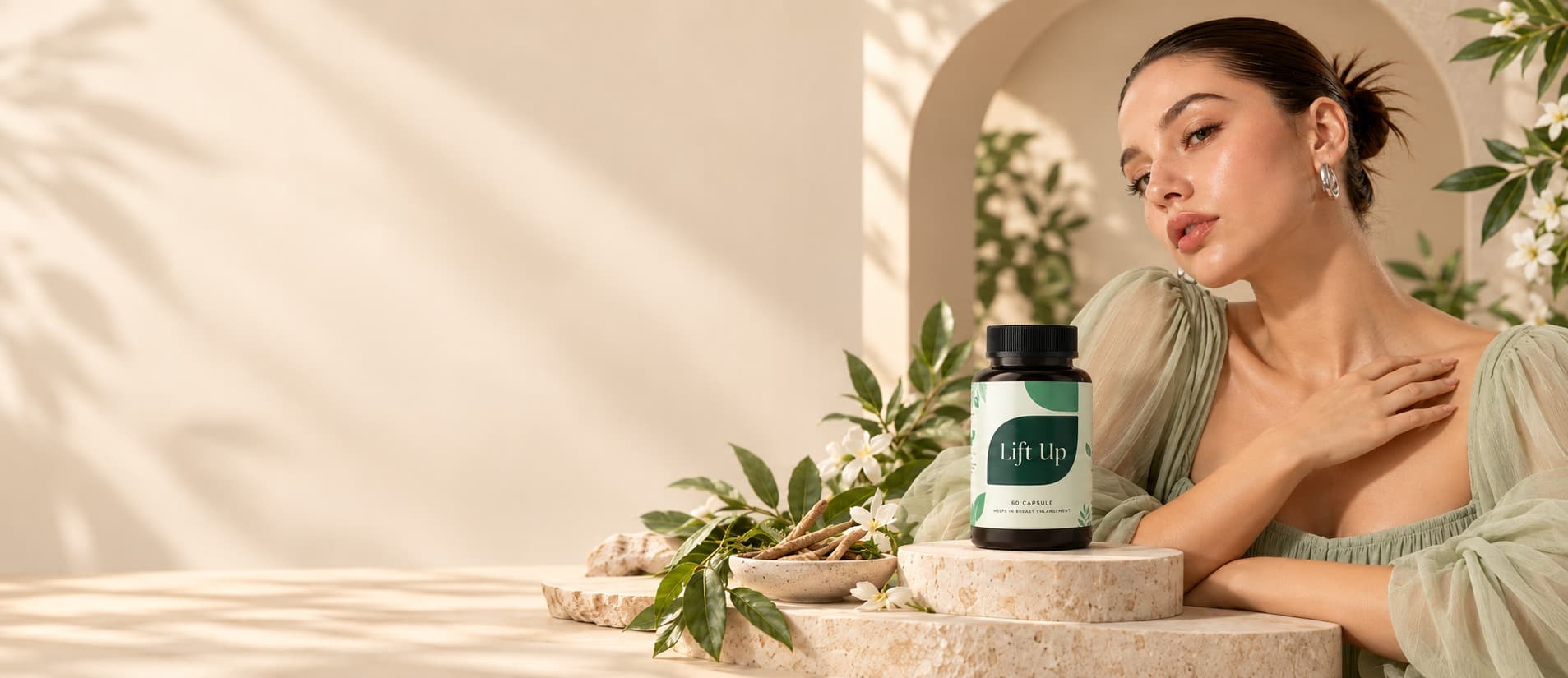
Women's wellness
Lift Up
Ayurvedic herbal capsules for women, with shatavari and fenugreek.
View formula