Safed Musli: Uses in Ayurveda, Forms & Safety
Also known as White musli, Dholi musli, Shweta musli · Chlorophytum borivilianum
A plain guide to safed musli: the white tuberous root of central India, its traditional place as a Rasayana in Ayurveda, how it is taken and sensible safety notes.
Safed musli takes its name from its appearance: safed means white, describing the colour of its roots once they are peeled and dried. Once gathered mostly from forests in central and western India, it is now grown as a crop by farmers in states such as Madhya Pradesh, Maharashtra and Rajasthan.
This guide covers what safed musli is, how Ayurveda traditionally views it, how it is commonly taken, and which of our formulas include it. It is general education, not medical advice.
What is safed musli?
Safed musli (Chlorophytum borivilianum) is a small herb of the asparagus family that grows from a bunch of thick, finger-like tuberous roots. It sprouts with the monsoon, produces small white flowers, and dies back after the rains, leaving the roots in the soil. Those roots are the part used.
After harvest they are washed, peeled and sun-dried until they turn creamy white, then sold whole or ground into a fine powder with a mild, slightly sweet taste. Shweta musli is a Sanskrit-derived name for it.
Safed musli in Ayurveda
Ayurvedic tradition values safed musli as a nourishing Rasayana root and describes it as sweet in taste and cooling in potency, traditionally suited to vata and pitta. Several different plants have been sold as musli over the years, so older and regional references do not always mean the same species; Chlorophytum borivilianum is the one most commonly meant by safed musli today.
A Rasayana is less about what happens in a day and more about how it fits into a steady, sensible routine.
How safed musli is commonly taken
Safed musli powder is traditionally stirred into warm milk, sometimes with a little ghee or mishri, and taken once a day. It is also sold as tablets and capsules, often combined with other Rasayana herbs such as ashwagandha and shatavari.
Safed musli in our formulas
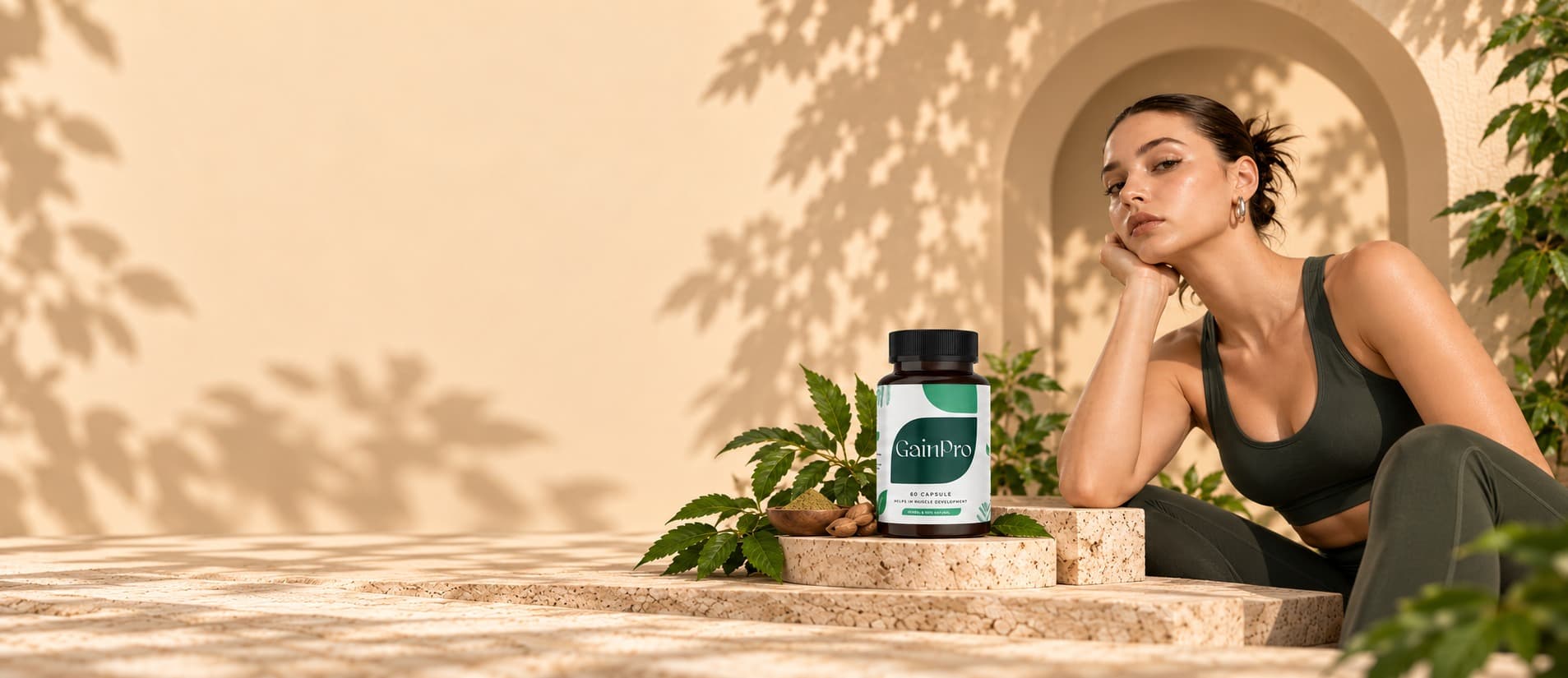
Safed musli is one of the herbs in two of our capsule formulas: GainPro and Grow+. In GainPro it sits alongside ashwagandha, shilajit, kaunch beej and gokshura; in Grow+ alongside ashwagandha, amla and shatavari.
Follow the pack directions, and see each product page for the full ingredient list.
Safety notes
- Not recommended during pregnancy or while breastfeeding unless your doctor has advised it.
- If you take regular medication or have a medical condition, consult a doctor or qualified Ayurvedic practitioner before use.
- Do not give herbal supplements to children or teenagers without a paediatrician's advice.
- Avoid it if you are allergic to safed musli or to any ingredient on the label, and stick to the dose on the label.
- Herbal supplements are not a substitute for medical care or a balanced diet.
Questions people ask
Safed musli is sometimes called white musli in English, and its botanical name is Chlorophytum borivilianum. It belongs to the same genus as the spider plant often grown indoors. In India it is also known as dholi musli, and in Sanskrit-derived texts as shweta musli.
They are different plants. Safed musli is Chlorophytum borivilianum, a white tuberous root. Kali musli, or black musli, is Curculigo orchioides, a dark root from another plant family. Both are used in Ayurveda, but they are not interchangeable, so check the botanical name on any product label before you buy.
Traditionally, safed musli powder is mixed into warm milk, sometimes with ghee or mishri, and taken once a day. Today it is more often found in tablets and capsules, alone or blended with other herbs. Follow the directions on your product's pack, and consult a practitioner before combining several supplements.
The Wellness Journal is for general education and inspiration only. It isn’t medical advice — please speak to a doctor or qualified Ayurvedic practitioner about any health concern, and patch test new products before use.
Formulas with safed musli
Read each pack’s ingredients and directions before use.