
Abhyanga at Home: How to Do Ayurvedic Warm-Oil Self-Massage
A step-by-step guide to abhyanga: choosing a seasonal oil, warming it safely, simple strokes for body and scalp, and how long to leave it on before your bath.
By Aayuvedic Herbals team · · 6 min read
Abhyanga, Sanskrit for oil massage, is one of the most loved rituals in Ayurveda. Many of us grew up with a version of it: a grandmother oiling a baby in the winter sun, or a Sunday-morning champi before a head bath. Classical texts include it in dinacharya, the daily routine, and value it for leaving skin feeling soft and the mind feeling settled.
Done at home, abhyanga needs only warm oil, an old towel and fifteen quiet minutes. This guide covers how to choose an oil for your season and skin, how to warm it safely, the strokes to use, how long to leave it on and how to oil your scalp.
What is abhyanga and why is it part of Ayurvedic self-care?
In Ayurveda, oil (sneha) is associated with nourishment and steadiness; the same word also means affection. Abhyanga is traditionally recommended to balance the dryness and restlessness linked with vata, which tends to rise in cold, windy weather and during busy, irregular phases of life. Many people simply find it a deeply relaxing way to slow down and pay attention to their body.
Think of abhyanga as care rather than cure. It is a pleasant way to soften dry-feeling skin, unwind before sleep or add a pause to a hurried morning, not a treatment for any condition.
Choosing the best oil for abhyanga by season
Classical guidance matches the oil to the weather and to how your skin feels. Whatever you choose, use a pure, cold-pressed oil intended for skin.
- Winter and dry, windy weather: sesame oil (til ka tel) is the traditional choice, warming and rich. Some people blend it with almond oil for a softer feel.
- Summer and hot, humid days: coconut oil feels cooling and light. Sunflower oil is another mild option.
- Monsoon and spring: use a thinner layer of a lighter oil such as sunflower or sesame, and wash it off well.
- Sensitive skin: start with a small amount of a single, simple oil and skip added fragrance or essential oils until you know how your skin responds.
How to warm the oil safely
Warm oil spreads more easily and feels more comforting on the skin. Avoid heating it directly over a flame or in the microwave, where it can overheat unevenly.
- Pour two to four tablespoons of oil into a small steel or glass bottle.
- Stand the bottle in a bowl of hot water for five to ten minutes.
- Test a few drops on your inner wrist. It should feel pleasantly warm, never hot.
How to do abhyanga: a step-by-step self-massage
Sit or stand on an old towel in a warm, draught-free room. Use your palms rather than your fingertips, and keep the pressure comfortable throughout.
- Begin with the scalp (see below), then the face, using gentle upward circles over the cheeks and forehead.
- Massage the ears, neck and shoulders.
- Use long strokes along the arms and legs, and circular strokes over the joints: shoulders, elbows, wrists, knees and ankles.
- Make broad, clockwise circles over the abdomen, then sweep lightly across the chest.
- Reach the lower back as best you can, then finish with the feet, working the soles, heels and the spaces between the toes.
Five minutes is a good beginning; fifteen to twenty is generous. Go lightly over varicose veins and leave out any area that is swollen, bruised or painful.
Abhyanga is less about technique and more about attention: a few unhurried minutes spent caring for yourself.
Timing before your bath, and how to oil your scalp
Traditionally, oil is left on for ten to twenty minutes before a warm bath or shower. Use a mild cleanser, or a simple besan-and-water paste on oilier areas, and pat skin dry rather than rubbing. Take care on the way: oily feet and bathroom floors are slippery.
For scalp oiling, part the hair into sections and press a little warm oil along each parting with your fingertips, then massage in small circles for a few minutes. Leave it on for an hour, or overnight with an old pillow cover, then wash with a mild shampoo. Coconut oil is a favourite in warmer months; sesame or almond suits winter for many people.
When to skip abhyanga
- When you have a fever or cold or feel heavy and unwell, and straight after a large meal.
- On broken, infected, sunburnt or freshly waxed skin.
- During pregnancy, or if you have a skin or medical condition, until you have checked with your doctor or a qualified Ayurvedic practitioner.
This guide is general information about a traditional practice and is not medical advice.
In short
- Abhyanga is warm-oil self-massage, a classic part of the Ayurvedic daily routine.
- Choose sesame oil for winter, coconut for summer, and lighter amounts in the monsoon.
- Warm oil in a water bath, never directly on the flame, and test it on your wrist.
- Leave oil on for 10 to 20 minutes before a warm bath; oil the scalp for an hour or overnight.
- Patch test, and skip abhyanga on broken or irritated skin or when you feel unwell.
Questions people ask
Classical texts suggest daily abhyanga, but two or three times a week is a realistic start for most people. In winter you may enjoy it more often; in humid summer weeks, a lighter version covering just the scalp, feet and dry areas can feel better. Notice how your skin responds and adjust.
Sesame oil is the traditional choice, especially in cool, dry weather. Coconut oil is popular in summer for its lighter, cooling feel, and sunflower or almond oil suit those who prefer something milder. Choose a pure, cold-pressed oil, patch test first and avoid added essential oils if your skin is sensitive.
Abhyanga is traditionally done before a bath. Massage with warm oil, leave it on for ten to twenty minutes, then bathe with warm water and a mild cleanser. If your skin feels very dry, you can also smooth a few drops of oil onto damp skin after bathing.
Yes. If mornings are rushed, an evening massage followed by a warm shower works well, and many people find it a calming part of winding down. Even a short foot massage with warm oil before bed, known as pada abhyanga, is a lovely, simple habit to begin with.
The Wellness Journal is for general education and inspiration only. It isn’t medical advice — please speak to a doctor or qualified Ayurvedic practitioner about any health concern, and patch test new products before use.
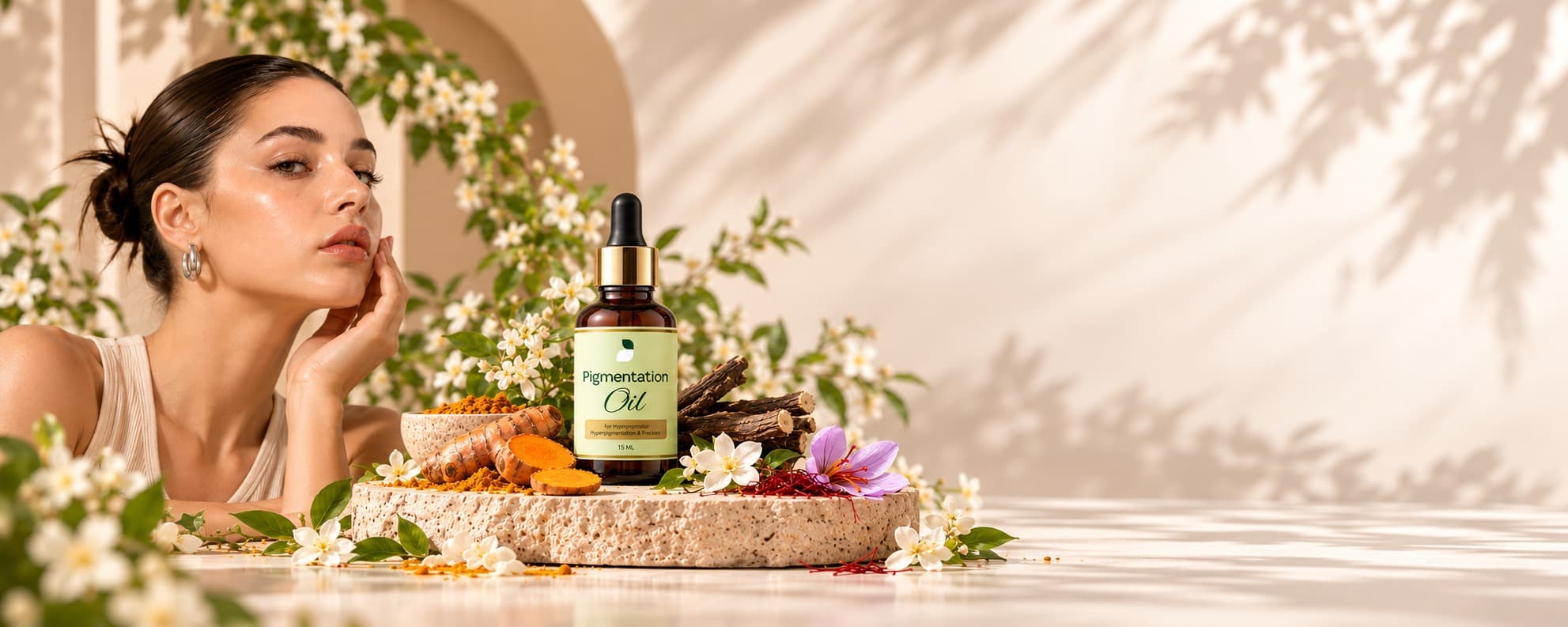
Formulas that fit this routine
Optional steps from our range — read each pack’s directions before use.
Keep reading
 Daily rituals
Dinacharya: A Simple Ayurvedic Daily Routine for Modern Indian Life
A calm, realistic take on dinacharya, the Ayurvedic daily routine, with small morning, midday and evening habits that fit around office hours, commutes and family life.
· 6 min read
 Skin care
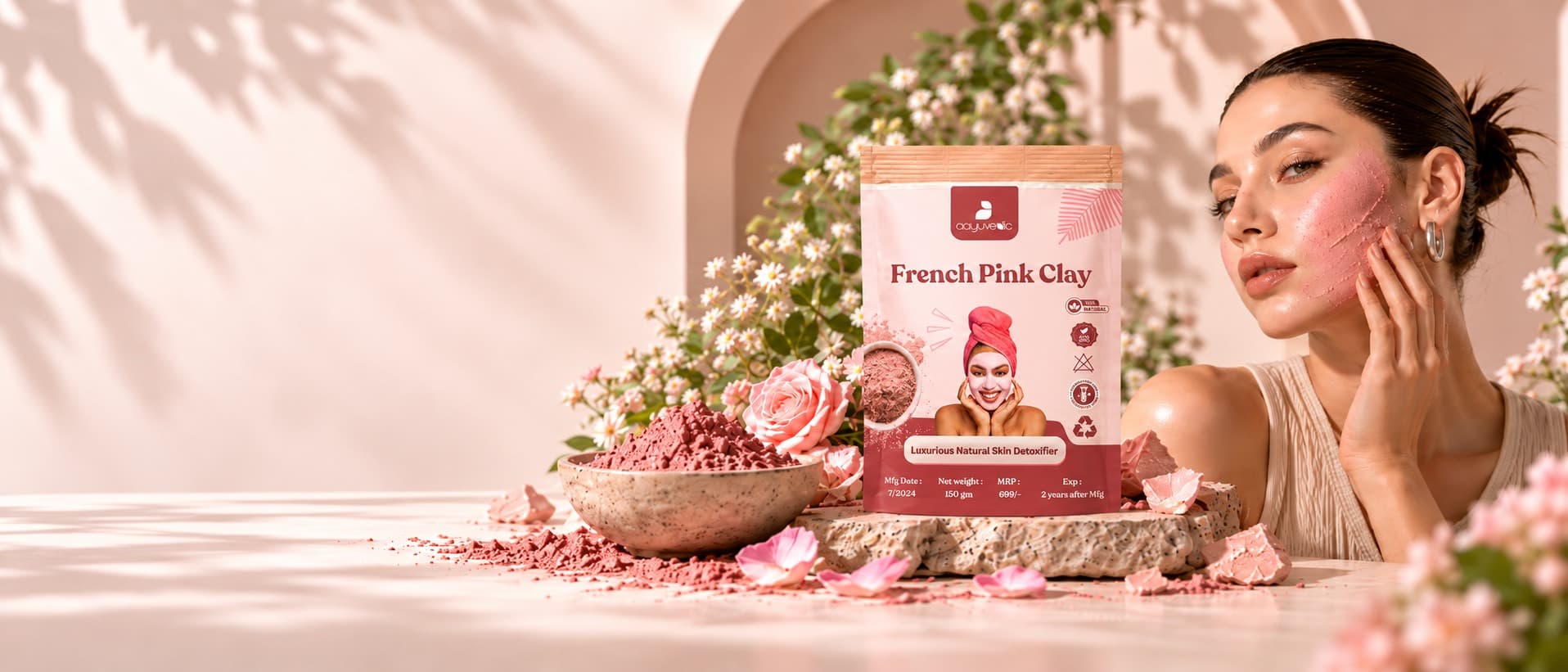
How to Use a French Pink Clay Face Mask: A Gentle Weekly Ritual
Everything you need to use a pink clay face mask well: who it suits, what to mix it with, how long to leave it on, how often to use it and how to care for skin afterwards.
· 6 min read
 Skin care
Orange Peel Powder Face Packs: 4 Simple Home Recipes for Glowing-Looking Skin
Four easy orange peel powder face packs to make at home, with curd, honey, rose water, besan or multani mitti, plus how often to use them and how to protect your skin afterwards.
· 5 min read